
What does it take to keep miniature goats in a backyard?
Space
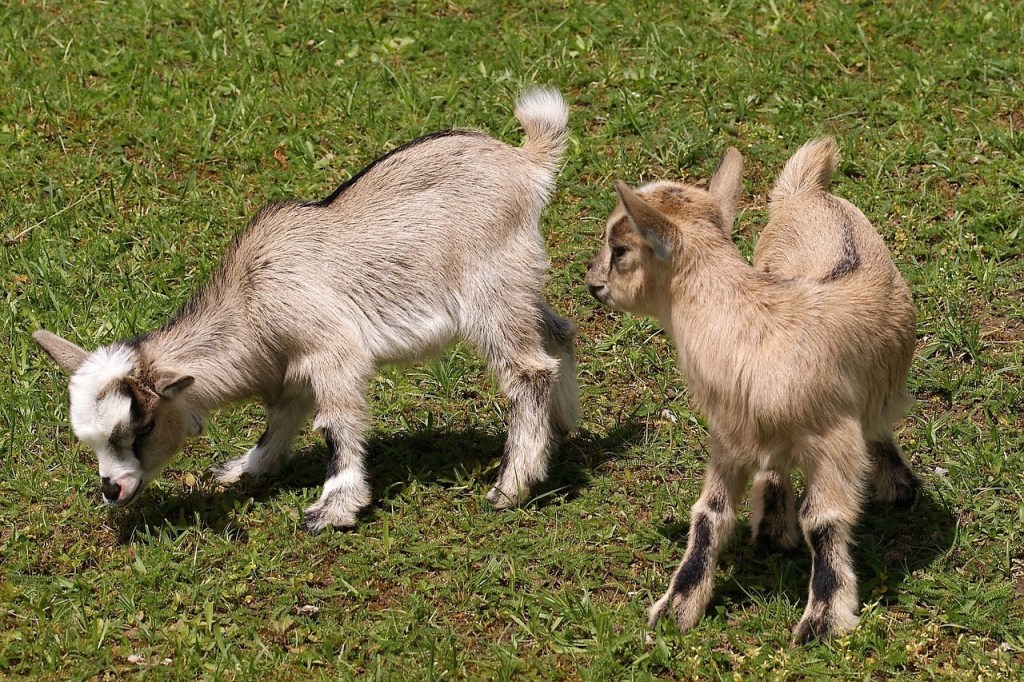
400 square feet (20 feet by 20 feet) is a commonly agreed upon basic pen size for two miniature goats. Miniature goats should not be kept alone because they are herd animals and get lonely, depressed, and complain more if they are kept by themselves. Therefore about 400 square feet is a good starting point for two miniature goats. If keeping more than two, an additional 200 square feet is needed per miniature goat.
Fence
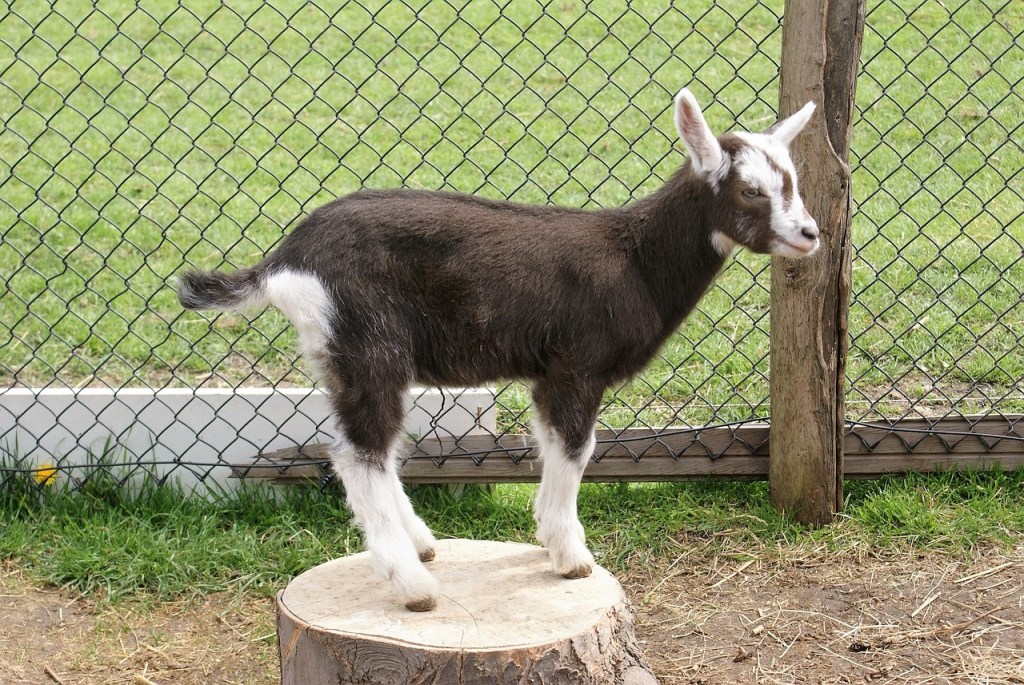
Because of miniature goat’s uncanny ability to escape, a sturdy and well-designed fence is essential. Miniature goats are nimble climbers, amazing leapers, can squeeze through narrow gaps, and possess enough intelligence to un-latch a simple gate. Mature miniature goats are strong enough to make a poorly-laid fence post lean over or wobble, and they can create gaps in weaker materials such as welded wire. Young miniature goats can leap higher than an adult and squeeze through gaps as small as 4 inches by 4 inches.
The standard recommended fence height is 4 or 5 feet (varies by breed and by age – young miniature goats may leap higher than adults). Use fence materials, such as 2”x4” fixed knot woven wire, no-climb horse panels, or chain link fence, that have both narrow enough gaps to keep in young goats and the strength to keep old miniature goats from bending the material. Bury fence posts at least a third of the height of the post and install fence material without any gaps under the bottom and with no parts of the fence leaning. Any objects or shelters in the pen should be placed at least 8 feet from the fence so miniature goats don’t use them to leap over the fence. Over time, watch for gaps or areas of the fence that start to lean and repair as necessary. Good fences are important not only for keeping goats in, but also for protecting them from stray dogs or even coyotes, the number one predator of miniature goats.
https://www.chelseagreen.com/2024/good-fences-and-gates-make-great-goats/

Shelter
A dry, ventilated shelter that can be accessed easily for cleaning is necessary for miniature goats. It should be large enough to allow 10 square feet per goat, plus any additional space wanted for storage of hay, other supplies, and perhaps separate areas for kids or milking. Shelters should have a well-draining floor of dirt or perhaps wood, with bedding such as straw or woodchips. Consider if electricity for lighting will be needed and how you will access water.
Food and Water
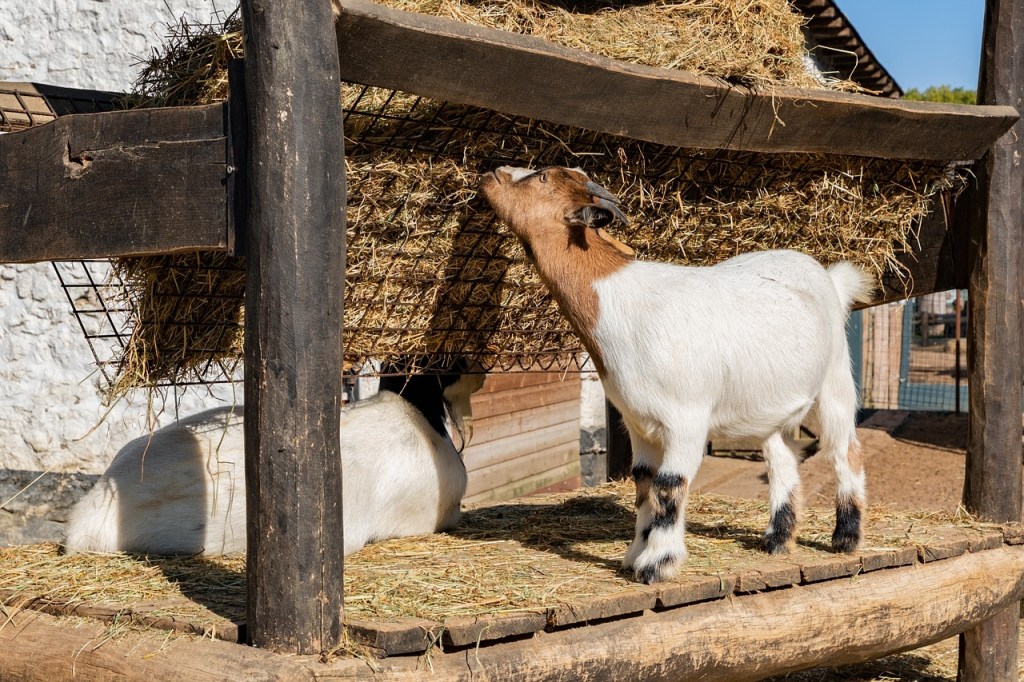
A steady supply of quality hay, grain supplements, clean water, and occasional mineral supplements is essential. Two miniature goats may eat about one to two square bales of hay (not straw) per week. Because goats are browsers, not grazers, hay should be kept clean and dry and off the ground, usually fed from a hay feeder. Grain and other supplements are usually an important part of their diet too, but the amount varies by age of the miniature goat and other factors such as breed and if they are pregnant.
Health Care
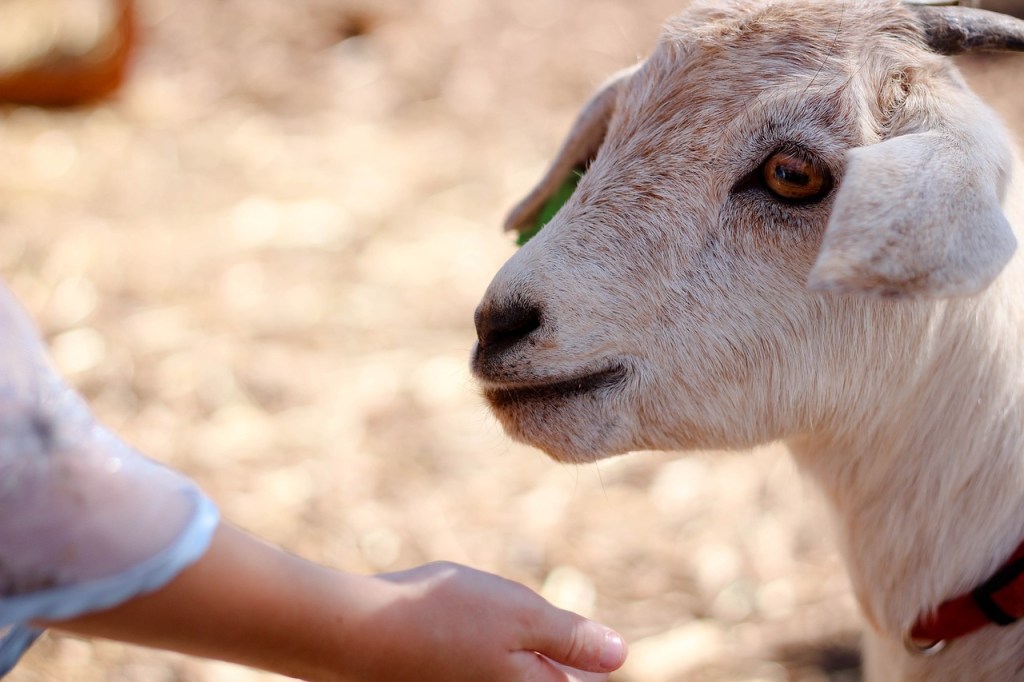
Become familiar with various health needs, such as trimming their hooves, de-worming, diet requirements, and learn whether there is a vet in the area who works with miniature goats. Goats’ digestive systems can be sensitive, especially to changes in diet, and despite their reputation for eating anything, there are some plants that are toxic to them. Goats are susceptible to parasites and will need preventative measures such as de-worming. Goats’ hooves continually grow and will need to be trimmed. Getting to know local miniature goat owners may be very helpful for learning about care and answering questions. Locate a vet who has experience with goats to provide care for birthing kids, dis-budding (preventing horns from growing), and vaccinations. Q-fever, which is carried by some goats, is not often transmitted to humans, but there is an increased chance when contacting mucous secretions during the birth process. As with any animal, wash hands after working with miniature goats or cleaning their pens.
Enrichment
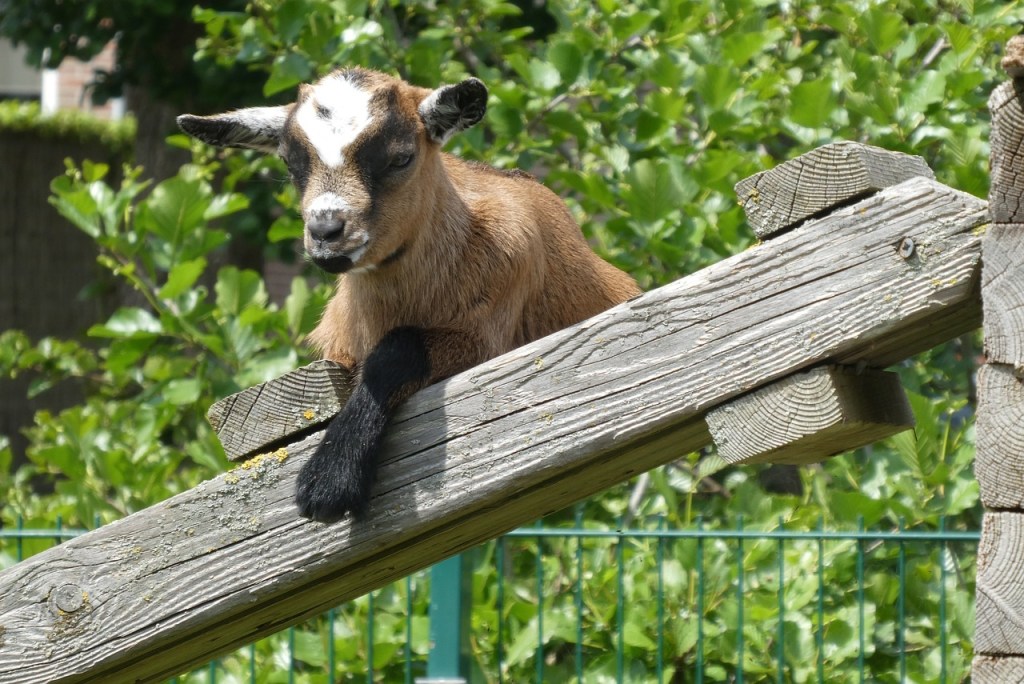
Miniature goats are intelligent, love exploring, and need exercise. Giving them opportunities to use their abilities helps keep them happy. One of miniature goats’ favorite activities is climbing and jumping, so platforms, logs, old wire spools, large tires or rocks, etc. encourage exercise and keep them (and their owners) amused.
Milk Production
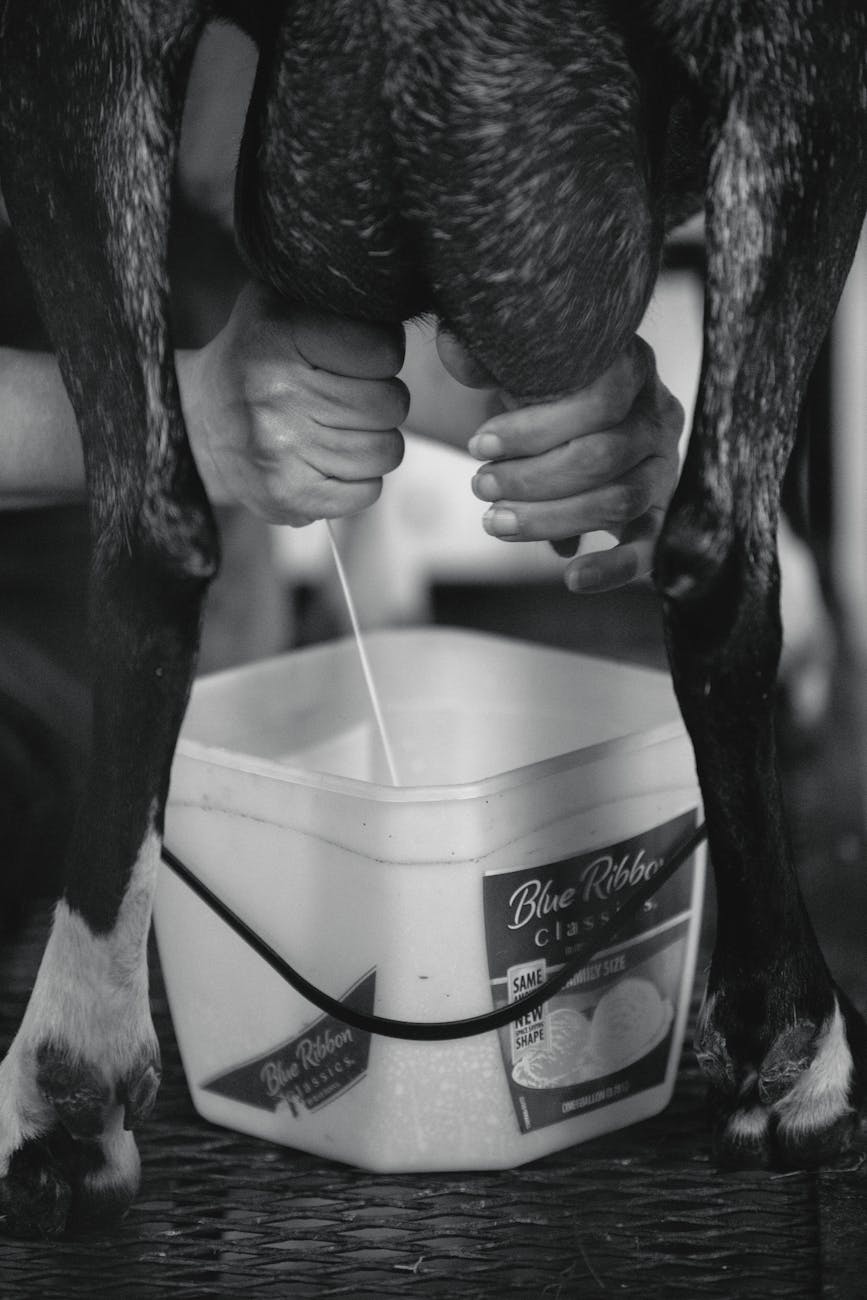
Miniature goats produce milk after giving birth and must be regularly milked to keep up the supply. To become pregnant, a female miniature goat (doe) will need to be brought to a breeding male (buck) in a rural area, since must urban areas do not allow intact males because of their strong odor. Does often give birth to two or three kids which she will nurse until the time comes to separate the kids from the mother, at which point the mother may be milked. Milking must be done on a consistent schedule, whether once or twice a day, by hand or machine, in a clean area or milking stand with sanitary equipment. Her milk supply may last 6 months or a few years, at which time the process will start all over.

Time and Money
Startup costs are likely several thousand dollars for shelter, fencing, and the miniature goats themselves, but then over the course of their lives the cost for feeding and caring them is less, comparable to a family dog. Miniature goats often cost $300-$500 each. Fencing a 400 square foot square pen with 80 linear feet of fence at $5/foot to $12/foot would cost $400-$1,000. A moderately sized goat shed would cost $2,000 to $3,000. Hay, supplements, and routine vet care may cost approximately $500-$1,000 per year.
In addition to the financial cost, there is also an investment of time required to care for miniature goats. Plan on 20 or 30 minutes each day to clean their shelter and provide them with fresh food and water. If you milk them, an additional 20 or 30 minutes each day may be necessary.
FAQs
Resources
Books
City Goats: The Goat Justice League’s guide to backyard goat keeping
Grant, Jennie P.
The founder of legal miniature goats in Seattle shares stories and information on legalizing miniature goats, keeping them in a backyard, pros and cons of different breeds, kidding, and milking.
The Backyard Goat: An Introductory Guide to Keeping Productive Pet Goats
Weaver, Sue
Expansive background history, breed types, and uses of goats including training directions. Smaller section on goat care.
Storey’s Guide to Raising Dairy Goats
Belanger, Jerry; and Thomson Bredesen, Sara
Thorough information on “breed selection, feeding, fencing, health care, dairying, marketing” and more, including directions and recipes for making cheese.
 Backyard Miniature Goats